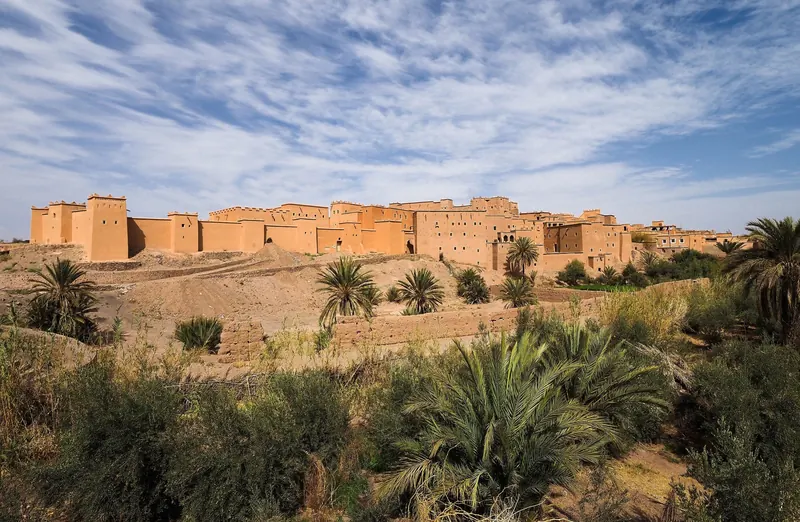
Todra Gorge from Ouarzazate: Walks, Climbing and Tinghir
The Todra (Todgha) gorge lies about 15 km above Tinghir, roughly 3 hours from Ouarzazate. How to walk the narrows, when the light is best, where to climb and whether to go for the day or stay the night.
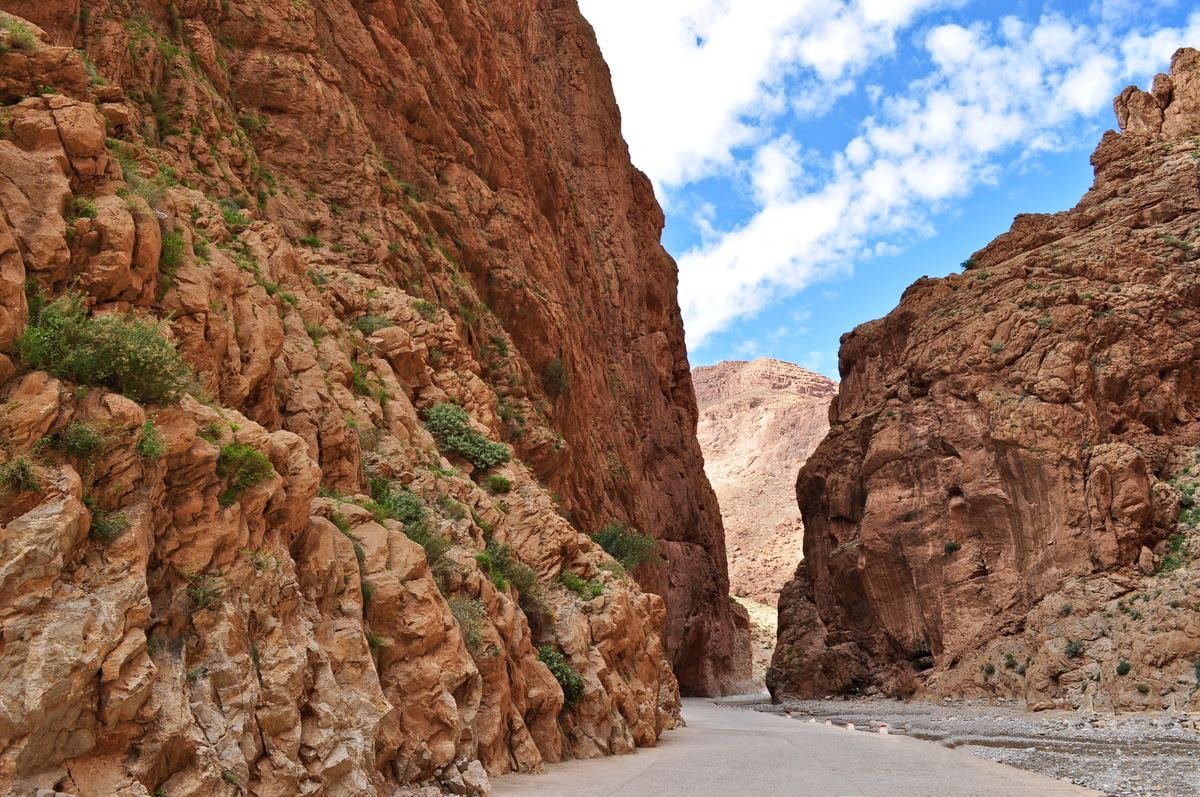
The Todra gorge, also written Todgha gorge, is a limestone canyon in the eastern High Atlas, about 15 km north of the oasis town of Tinghir. From Ouarzazate it is roughly 185 km and about 3 hours each way by car, which makes it a long day trip or, better, the highlight of a one or two night outing. The reason to go is a single stretch of a few hundred metres where the walls close in to around 10 m apart and rise straight up above the river and the road.
Our guide to the road from Ouarzazate to Merzouga treats Todra as a lunch stop on the way to the dunes. This guide is about the gorge itself: how to walk it, when the light works, where people climb, what to see in the Tinghir palm grove below, and how to fit it all in from Ouarzazate.
Todra gorge at a glance
| Question | Short answer |
|---|---|
| Distance from Ouarzazate | About 170 km to Tinghir, then about 15 km up to the narrows |
| Driving time | Roughly 3 hours each way without long stops |
| Narrowest point | Around 10 m wide, over the last few hundred metres of the canyon |
| Height of the walls | Usually quoted at around 300 m; estimates vary along the gorge |
| Time on site | 1 hour for the narrows, half a day with the rim walk |
| Best months | March to May and late September to November |
| Main risks | Flash floods after storms, falling stones, summer heat on the approach |
Getting to the Todra gorge from Ouarzazate
Head east out of Ouarzazate on the N10, the road of the kasbahs. It passes Skoura, Kelaat M'Gouna and Boumalne Dades before reaching Tinghir, about 170 km away. In the centre of Tinghir, follow the signs for the Gorges du Todra and take the road north (the R703) up the valley. It runs along the edge of the palm grove for about 15 km, through a string of villages, before the valley suddenly narrows into the canyon.
By car
The road is paved all the way and an ordinary car is enough. Expect police checkpoints, speed limits of 60 km/h or less through villages, and slow trucks on the climbs. Fuel is easy to find in Kelaat M'Gouna, Boumalne and Tinghir. If you are hiring a car for the trip, our guide to car rental and driving from Ouarzazate covers insurance, fuel and road rules.
With a driver
A private driver is the restful option for a round trip of six hours at the wheel. You can stop where you like, and the driver knows where to park at the narrows. Agree in advance on the route, the waiting time and whether you want to add the Dades gorges.
By bus and taxi
Buses run along the N10 between Ouarzazate and Tinghir, and grand taxis cover the same road in stages. From Tinghir, shared taxis and minibuses go up to the gorge villages. It works, but it is slow and leaves little time on site, so it suits an overnight stay rather than a day trip. Check current departures on the CTM website or at the bus station, and see our guide to taxis and buses in Ouarzazate.
Walking through the Todra gorge
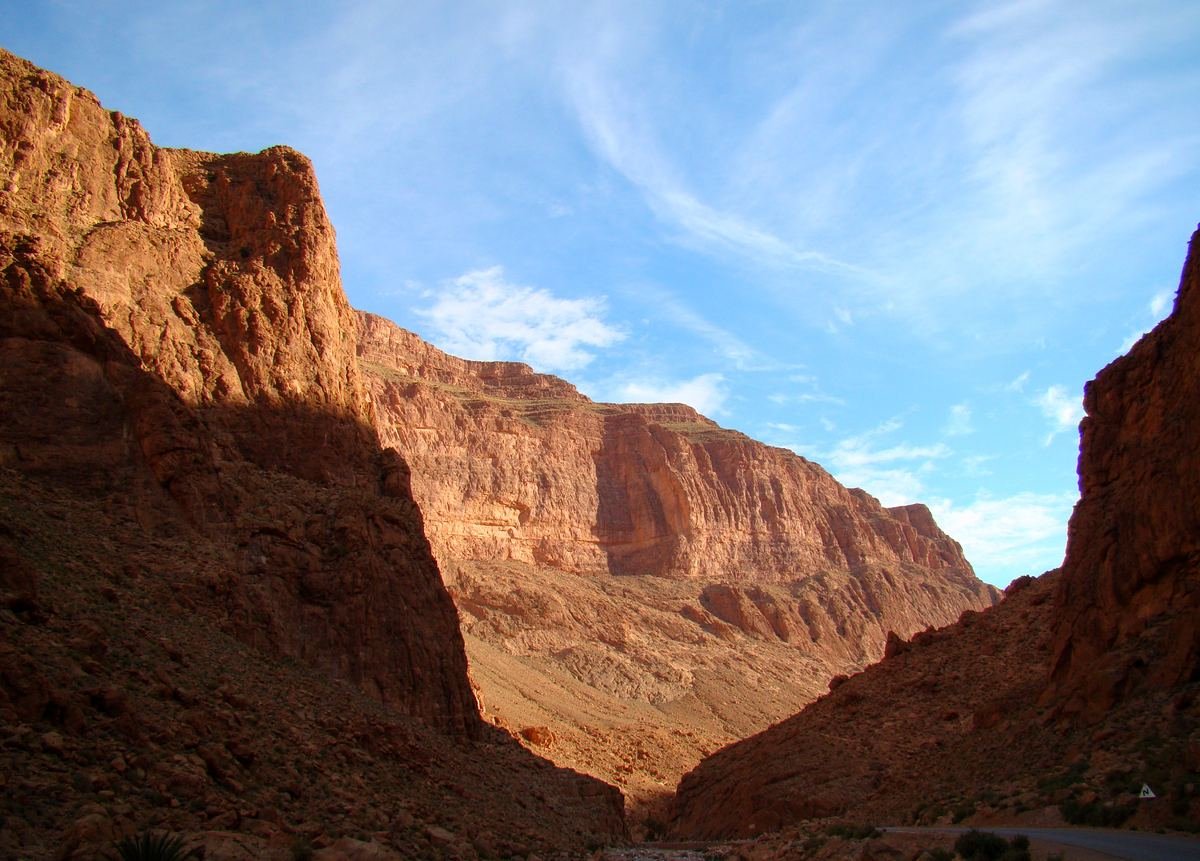
Most visitors leave the car at the parking areas just before the narrows and continue on foot. This is the section everyone comes for: the walls close in on both sides, the light changes from bright to deep shade in a few steps, and you look up at a ribbon of sky. The walk is flat, follows the road and the shallow river, and takes about 30 to 45 minutes there and back at a gentle pace with photo stops.
What you see in the narrows
- The river: most of the year it is a shallow, clear stream fed by springs. Many visitors take their shoes off and wade for a minute. It is cold, even in summer.
- The walls: smooth, orange and grey limestone, polished by water at the base and streaked by mineral stains higher up. Look for climbers, who often work routes right above the road.
- Stalls and cafés: a few sellers of scarves, jewellery and fossils set up near the parking areas, and there are simple cafés at the mouth of the gorge.
- The far end: after the narrowest stretch, the canyon opens up again into a wider valley. Walk a little beyond the last vendors and you lose most of the crowd.
Beyond the narrows
The road continues north up the valley towards Tamtattouchte, a mountain village about 18 km further on, and on into the high country towards Imilchil. Even a short drive or walk past the narrows shows you a different side of the gorge: nomad tents, terraced fields, goats on the slopes and almost no traffic.
The rim walk above the gorge
If you have half a day and good shoes, the classic hike is a loop that climbs out of the valley, crosses the plateau above the canyon and comes back down to the road, with views straight into the gorge. Local accounts put it at roughly 3 to 4 hours. The first climb is steep and the path is loose gravel in places; there is no shade. You can do it alone with an offline map, but a local guide makes the route finding easy and adds the stories of the nomad families who use these slopes. For longer treks in the region, see our guide to hiking near Ouarzazate.
The best time to visit: light, season and crowds
Time of day
The narrows are so deep that direct sun reaches the floor of the canyon only for a short time around the middle of the day. That gives you two good choices:
- Late morning to early afternoon: the sun falls into the gorge, the red walls light up and the water sparkles. This is the bright, colourful version, and the best for photos of the narrows themselves.
- Early morning or late afternoon: the floor of the gorge is in shade, but the upper walls catch warm light and the place is quiet. This is the version you get when you sleep nearby.
Tour groups on the Merzouga circuit tend to arrive from late morning and leave by mid-afternoon. Coming from Ouarzazate on a day trip, you will usually arrive at the same time as them, which is one argument for staying the night.
Season
Spring and autumn are the most comfortable seasons, with mild days and green fields in the Tinghir palm grove. Summer is very hot on the drive and in the open valley, though the narrows themselves stay shaded and cool for much of the day. Winter is bright but cold: the canyon floor can be freezing in the morning and snow sometimes closes the higher road beyond Tamtattouchte. Our guide to the best time to visit Ouarzazate gives month by month weather for the region.
Flood risk and safety in the gorge
The Todra looks harmless most of the year, but it is a mountain river in a narrow channel. After heavy rain upstream, it can rise very quickly and fill the floor of the canyon with a strong, muddy torrent. Floods in the winter of 2006 to 2007 tore away large parts of the road through the gorge, and the old hotels that once stood in the narrowest section have long been closed.
- Watch the sky: storms are most likely in spring and late summer to autumn. If dark clouds are building over the mountains to the north, do not linger on the riverbed, even if it is sunny where you stand.
- After rain: avoid the rim walk and the dry side ravines, which can carry water without warning, and check with locals whether the road is open.
- Falling stones: stay off the bottom of the walls when climbers are above you and do not stop under overhangs. A helmet is standard for climbers here.
- Heat and sun: carry water and a hat for the approach and the rim walk, which are fully exposed.
- Touts: in the gorge and in the palm grove, some young men offer themselves as guides. A polite, firm "no thank you" works. If you want a guide, ask your accommodation to arrange one and agree on the price first.
Rock climbing in the Todra gorge
The Todra gorge is one of the best known climbing areas in Morocco. Its limestone walls carry hundreds of bolted routes, from short single pitch climbs right next to the road to long multi pitch lines on the high walls, with grades for beginners through to strong climbers. Spring and autumn are the main seasons. In winter, climbers pick walls that get the sun; in summer, the shaded side of the narrows.
If you have never climbed, several local guides and climbing schools in the gorge run introductory sessions with equipment provided. Experienced climbers can bring their own gear or rent locally, and current topos are available in the gorge. Ask about the condition of the bolts on older routes, and agree on what is included before you start.
Tinghir: the palm grove, the old ksar and the mellah
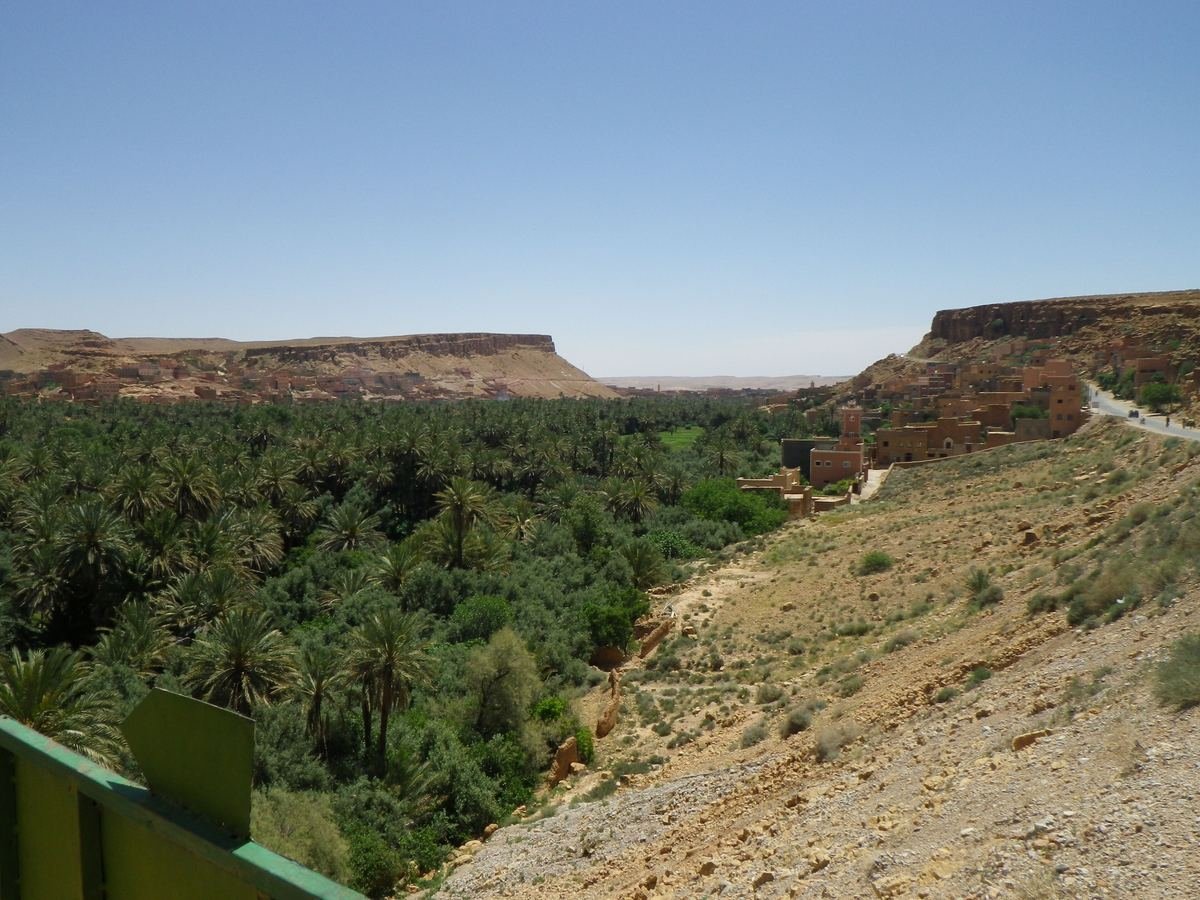
Many visitors drive through Tinghir without stopping, which is a pity. The town sits on the edge of one of the longest palm groves in southern Morocco: according to most sources, the irrigated strip along the Todgha river runs for about 30 km, between the High Atlas and the Jbel Saghro, with some 25 villages around it.
The viewpoint and the palm grove
The best first view is from the road above the palm grove on the way up to the gorge, where the valley floor turns into a solid band of green between the earthen villages and the bare hills. To go further, walk down into the gardens: narrow paths follow the irrigation channels between date palms, olive, almond and pomegranate trees, and plots of wheat, alfalfa and vegetables. Stay on the paths, as every plot belongs to a family. The full walk from Tinghir up to the gorge through the palm grove takes about 4 hours according to local guides.
The old ksar and the mellah
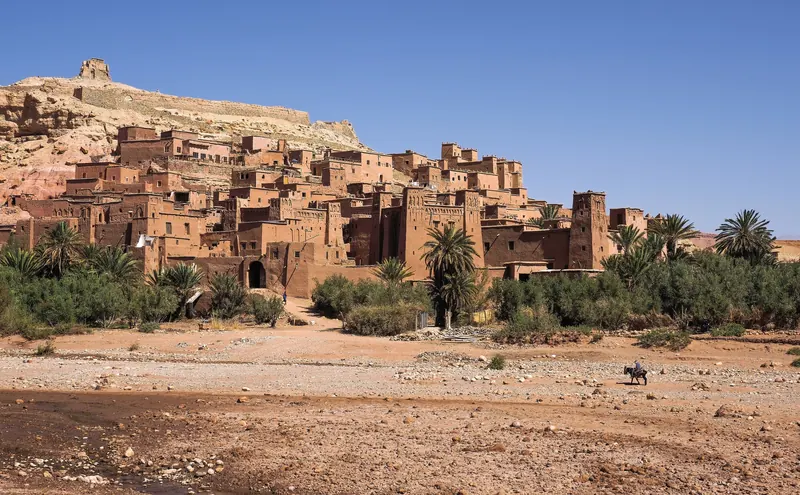
The old fortified quarter of Tinghir, often called the ksar of Aït El Haj Ali, still has tall earthen houses and narrow lanes, even if parts of its walls have gone. Inside is the former mellah, the Jewish quarter. Jewish and Muslim Amazigh families lived side by side in the Todgha valley for centuries until the Jewish community left in the early 1960s. The documentary Tinghir Jerusalem: Echoes from the Mellah (2012) by Kamal Hachkar, a filmmaker whose family comes from the town, tells that story and is worth watching before you go. A local guide is the easiest way to visit and to find the houses and the old synagogue building, as the lanes are not signposted.
The Glaoui kasbah
On a rise above the palm grove stand the ruins of the Glaoui kasbah, built from 1919 when the Glaoui family extended their control over the Todgha valley, and abandoned after independence in 1956. It is in poor condition and is best seen from outside, as part of the view over the oasis.
Day trip or overnight from Ouarzazate
You can see the Todra gorge in a day from Ouarzazate, but you will spend about six hours in the car. Here is how the two options compare.
| Option | What you see | Downsides |
|---|---|---|
| Day trip | The narrows, a short walk beyond, a quick look at the palm grove | Long driving day, midday arrival with the tour groups |
| One night near the gorge or in Tinghir | Narrows in the quiet morning, rim walk or palm grove walk, old ksar | Two hotel nights to organise if you return to Ouarzazate |
| Two nights with the Dades | Todra and Dades gorges properly, Valley of Roses on the way | Needs three days in total |
A realistic day trip
- Leave Ouarzazate around 7:00, with breakfast to go or a coffee stop in Skoura.
- Arrive in Tinghir around 10:00, stop at the viewpoint over the palm grove.
- Walk the narrows and beyond, about 1 to 2 hours, then lunch at the mouth of the gorge.
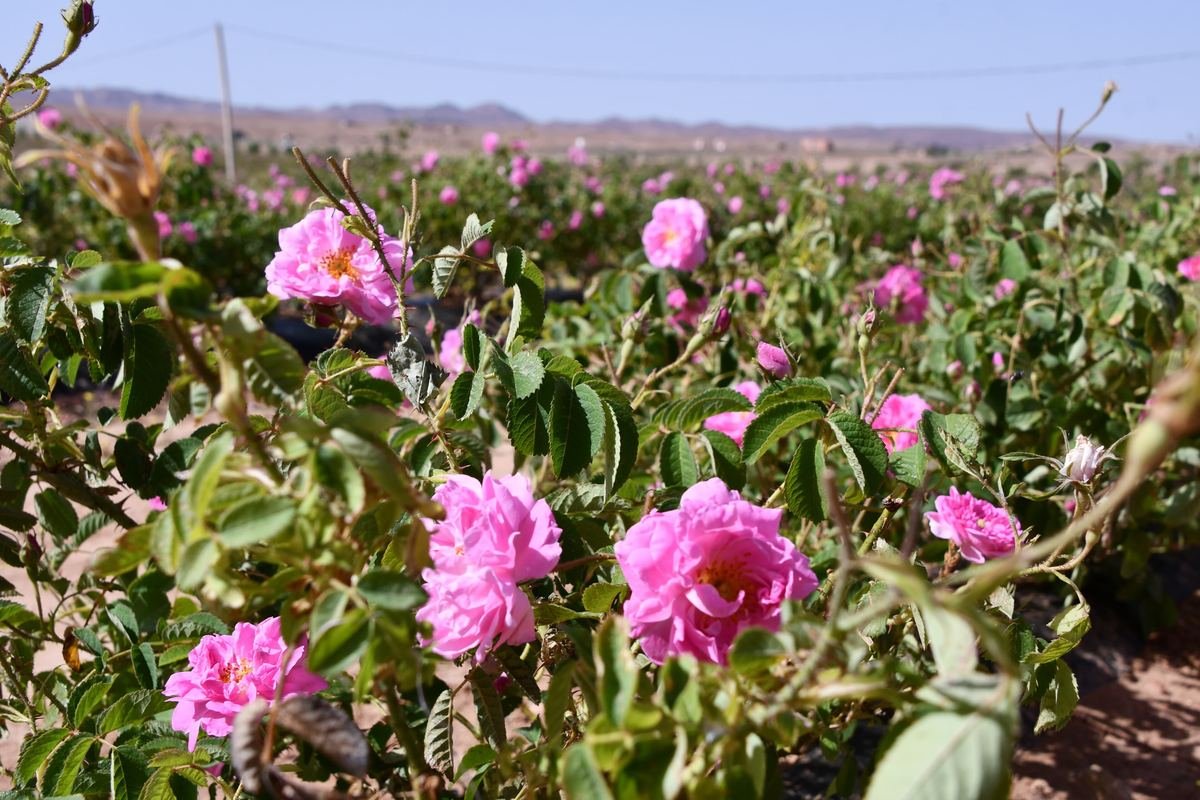
- Drive back by mid-afternoon, with an optional short stop at Kelaat M'Gouna for rose products from the Valley of Roses.
- Be back in Ouarzazate before dark. Avoid driving the N10 at night: villages, animals and unlit carts make it slow and tiring.
Staying overnight
Sleeping in Tinghir or in the guesthouses along the gorge road turns the visit into something calmer: an evening walk in the palm grove, the narrows almost empty in the morning, then the rim walk before the heat. If you are already heading east, it also makes a natural first night on the way to the Sahara.
Combining the Todra with the Dades gorges
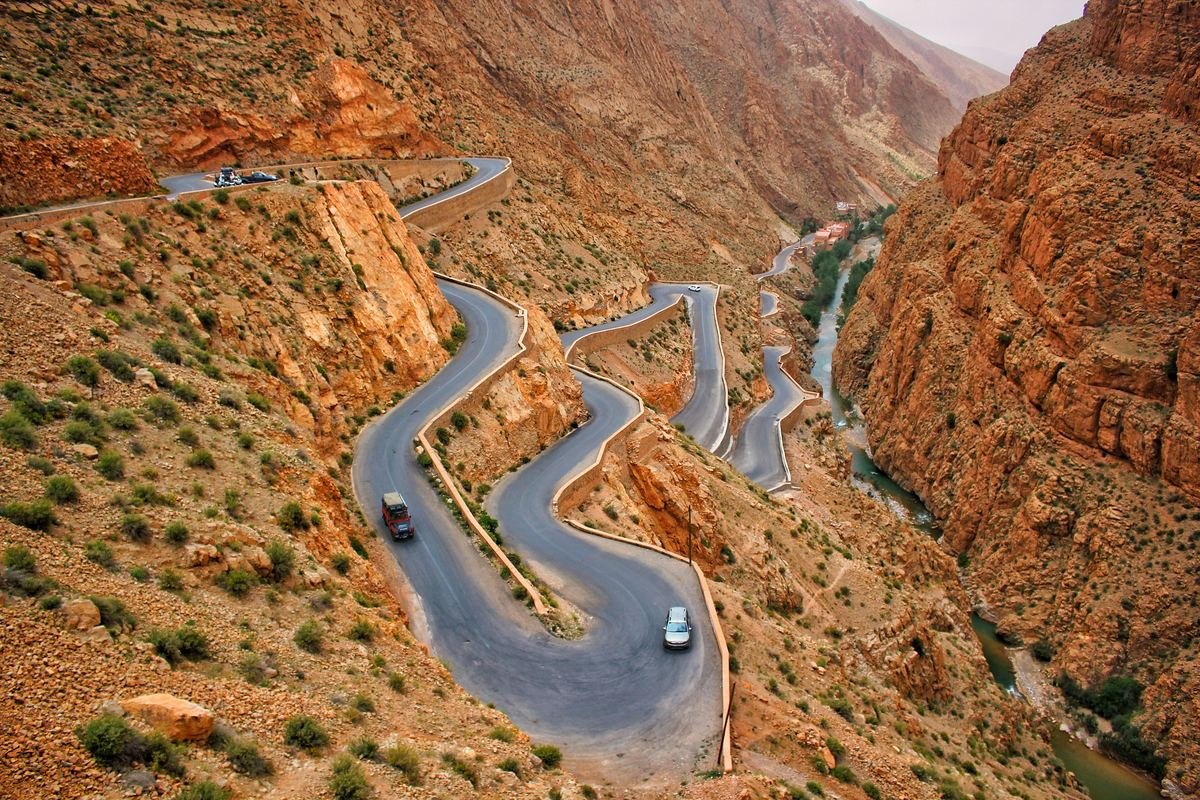
The two gorges are about 55 km apart along the N10, roughly an hour between Boumalne Dades and Tinghir. They complement each other well: the Dades is a long valley with red rock formations and a famous switchback road, the Todra a short canyon you explore on foot. A good three day loop from Ouarzazate is Skoura and the Dades on day one with a night in the gorges, Todra and Tinghir on day two, and the drive back via Kelaat M'Gouna on day three. Our guide to the Dades gorges from Ouarzazate covers that side in detail.
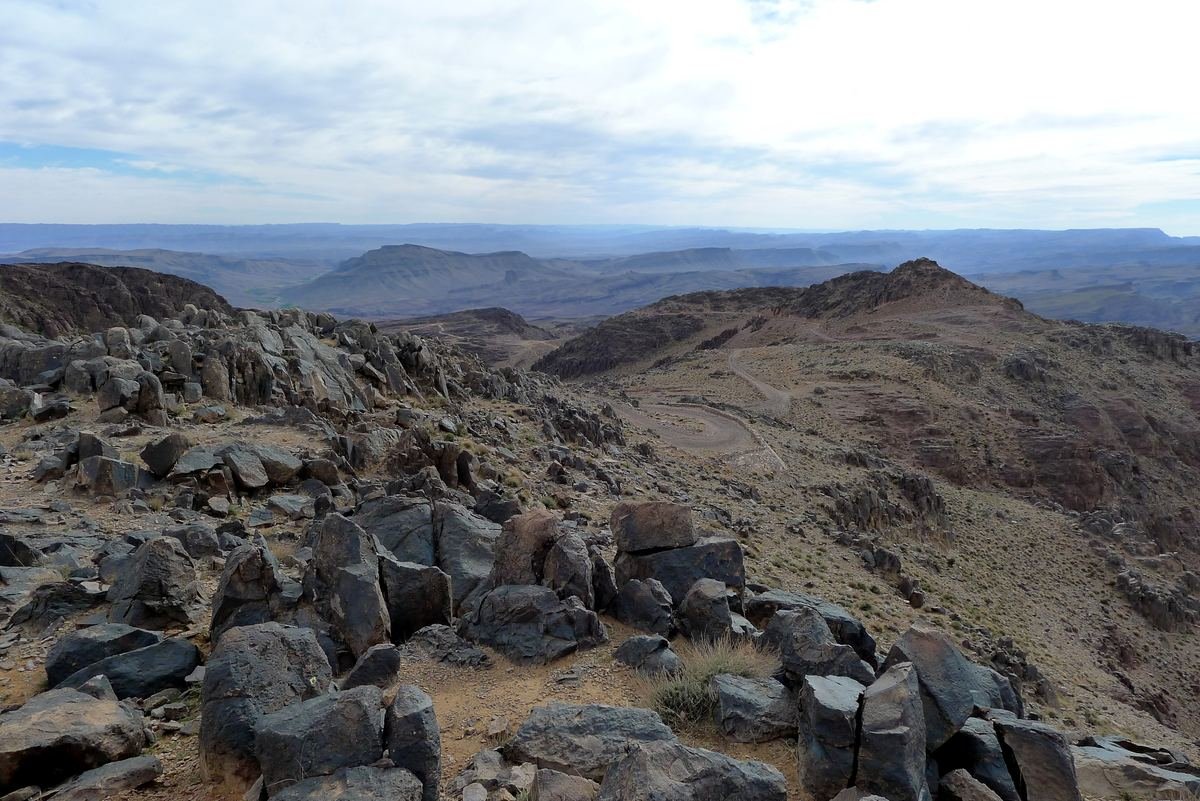
There is also a high mountain road linking the top of the two gorges via Tamtattouchte and Msemrir. It crosses remote, beautiful country, but some sections are rough, conditions change after storms and snow, and services are few. Do it with an experienced driver and a suitable vehicle, and ask locally about the state of the road before setting off.
Using Ouarzazate as your base
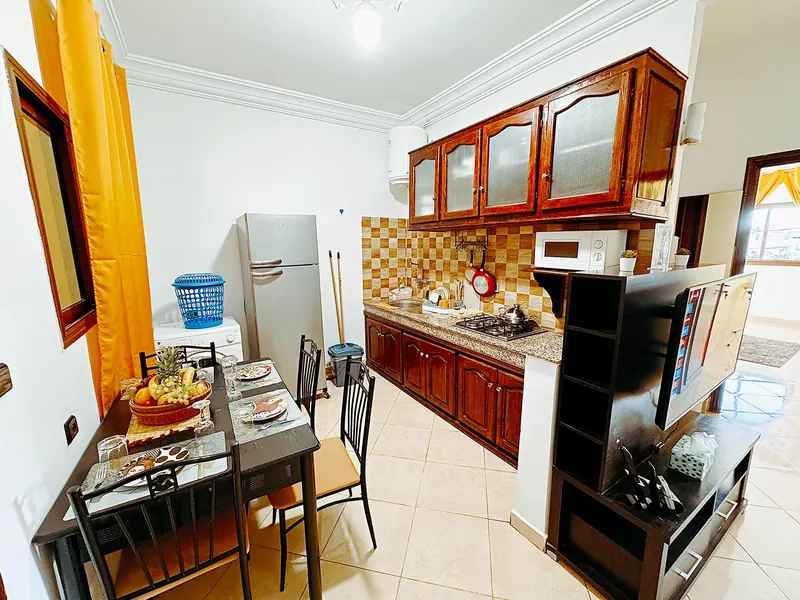
Ouarzazate is the practical starting point for the gorges: it has the airport, car hire, fuel, banks and supermarkets, and the N10 leads straight east. Residence Chay is about 2 minutes from Ouarzazate airport, with free guarded parking for a rental car and two bedroom apartments with a full kitchen, so you can pack a picnic and leave early. The reception can help you arrange a driver or a guide for the Todra and Dades.
For more about the gorge's geography, the Wikipedia article on the Todgha gorge is a good starting point.
Questions travellers ask
Is there an entrance fee for the Todra gorge?
There is no ticket to enter the gorge itself. Parking attendants may ask for a small fee near the narrows, and guides, climbing instructors and mule rides are paid separately, so carry small change in dirhams.
Can you visit the Todra gorge with children or limited mobility?
Yes. The narrowest section is flat and runs along a paved road, so even small children and older travellers can walk it. The rim walk above the gorge is a different matter: it is steep and stony, so keep it for confident walkers.
Do you need a 4x4 to reach the Todra gorge?
No. The road from Ouarzazate to Tinghir and up to the narrows is paved and fine in an ordinary car. A 4x4 with an experienced driver only becomes useful if you plan to continue on the high mountain road towards Tamtattouchte and across to the Dades.
What is the difference between the Todra and Todgha gorge?
They are the same place. Todgha is closer to the Amazigh name of the river and the valley, while Todra is the spelling used on many French era maps and road signs. You will see both, often on the same day.
Is the Todra gorge better than the Dades gorges?
They are different. Todra is about a short, vertical canyon you walk through, while the Dades is a longer valley with rock formations and a famous switchback road. If you only have time for one on a day trip from Ouarzazate, Dades is closer; Todra is the more dramatic walk.